Lebanon’s location, bordered by Syia and Israel and along the Mediterranean Sea combined with its population mix, including the heavily armed Iran-backed Hezbollah political/military party, have led to it becoming a land of frequent conflict. Its people, however, have shown both at home and through the diaspora a way of living in the moment and carrying for others that is worth emulating.
I was standing on a sidewalk on Gemmayze Street in Beirut, Lebanon, when I spotted a man wearing a white glove coming toward me. Then came another white-gloved man and another other and another. Some of them and women wearing a white glove too would break out into a dance as they marched along.
Michael Jackson had died the day before in 2009, and this was the inimitable way hundreds of Lebanese chose to honor him.
Yes, there were tears and nagging questions about pop star’s sudden passing, but the attitude on the streets of Beirut on that Friday 17 years ago was let’s celebrate what Jackson gave the world in music and dance. Let’s make the moment not a wake, but a joyous outcry.
That is the way of the Lebanese.
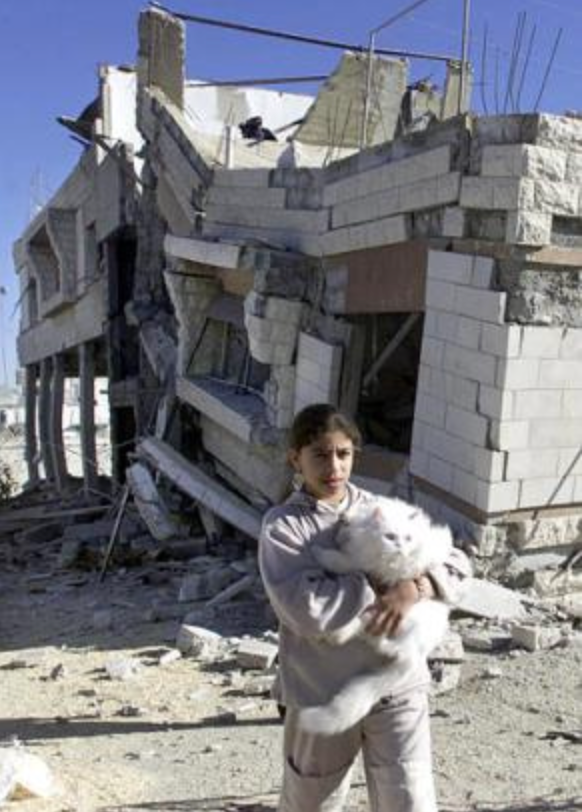
They survived a 15-year civil war, ones with Israel and have been inundated with Palestinian refugees for decades and Syrians for the past 15 years. They are now, through the presence of heavily armed Iran-backed Hezbollah and Israeli military attacks, part of a deadly sideshow to the current U.S.-Iran war.
The Lebanese also weathered their own (October 2019) uprising against government corruption, economic mismanagement and political sectarianism.
Despite all this, the Lebanese tend to offer a first- or likely 80th-time visitor a compelling life lesson: Live in the moment and enjoy whatever you can every day.
No people I have ever been around embody that the-moment-is-what-matters, is-what-you-can-control spirit better than the Lebanese.
The night before the white-glove march in honor of Michael Jackson, a Lebanese 30something man overheard my American Southern twang. He asked whether I was afraid to be in Beirut.
He knew the image of his country that many Westerners have in their minds.
When I told him I was a journalist living in Abu Dhabi and that my life had been greatly enriched by Lebanese friends, he invited me to dinner. He seemingly knew in his heart the message of famed traveling chef Anthony Bourdain.
“To taste the spices of a Lebanese kitchen is to understand the resilience of a people who find joy and flavor amidst constant instability,” the late Bourdain once told the world.
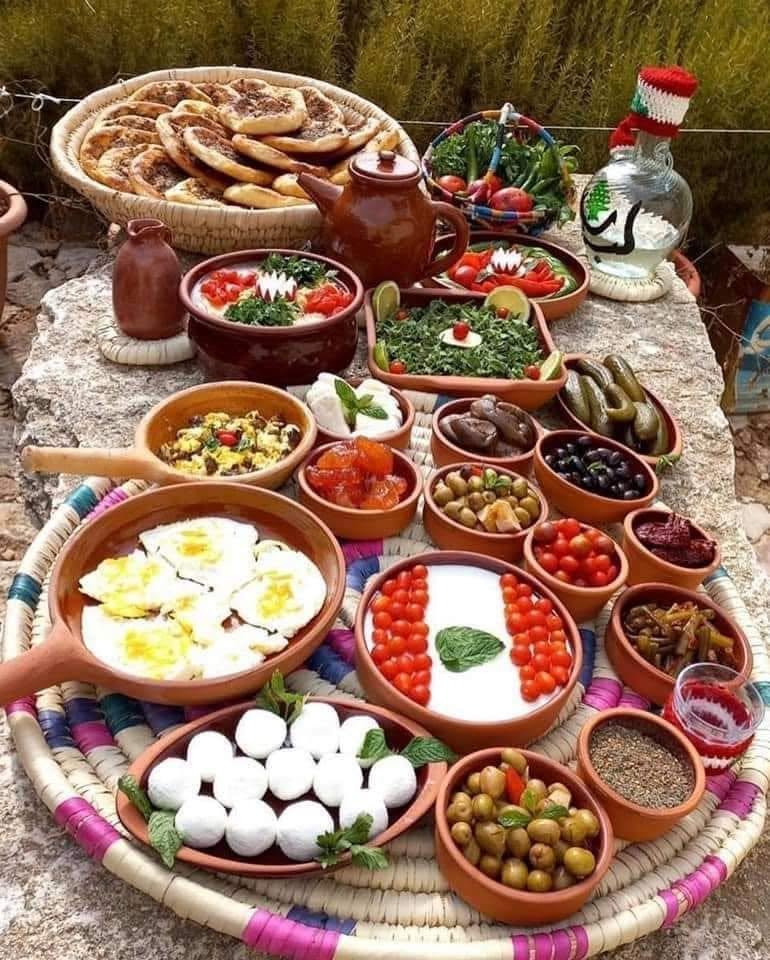
My new Lebanese friend, his girlfriend and I dined on classic Lebanese food: hummus, baba ghanoush, labneh, tabbouleh, warak enab (stuffed grape leaves), shish tawook (marinated chicken skewers), kafta and plenty of bread.
I passed on the baklava and sfouf (semolina cake laced with turmeric) for desert as I had found them previously too sweet for my tastes.
Naturally, my new friend picked up the tab.
That, too, is the way of the Lebanese.
Unmatched Hospitality
Their forever-endearing hospitality overflowed on my second visit to Lebanon.
Racha Makarem, a translator, sat behind me in the National newsroom in Abu Dhabi. She invited me to a traditional Lebanese wedding in the summer of 2010 in her home village in the Chouf Mountains overlooking Beirut.
I knew only her and vaguely her husband. By the end of the reception and too many handshakes and “welcomes” to count, I had been made to feel like a member of the extended family.
“Please come back” invitations echoed in my mind for days.
A Rare Honesty
Then there was Dido, a taxi driver who had a what-would-we-have-done? lesson for us all.
I had arrived in Beirut for my first visit in 2009 on little sleep. Dido picked me up at the airport and took me to a downtown hotel. I enjoyed our conversation and noted his must-see suggestions. So, I gave him what I thought was a decent tip.
But my brain miscalculated the Lebanese pound/U.S. dollar conversion.
While I was resting in my hotel room, the reception desk called to say my taxi driver was at the front desk wanting to see me.
I came down to find Dido eager to give me back my tip. While I thought I had given him the Lebanese pound equivalent off 20 U.S. dollars; it was $200.
Dido must have sensed my excessive generosity was a mistake.
I was stunned by his honesty, and he became my driver for the rest of my Beirut stay.
We exchanged contacts when he dropped me off at the airport to fly back to Abu Dhabi. Whenever I learned that someone I knew in the UAE capital was going to Beirut over the next few years, I would pass on Dido’s phone number.
That was the least I could do to reward his kindness and honesty.
Going forward, the least any of us can do when another seemingly inevitable outbreak of violence in Lebanon makes the news is to recognize who the people really are.
Often, they are as kind, warm, fun and generous as humans come.
Do yourself a favor when things settle a bit more in Lebanon and add it to your must-visit bucket list.
You will be forever glad you put the stereotypes aside and just went.