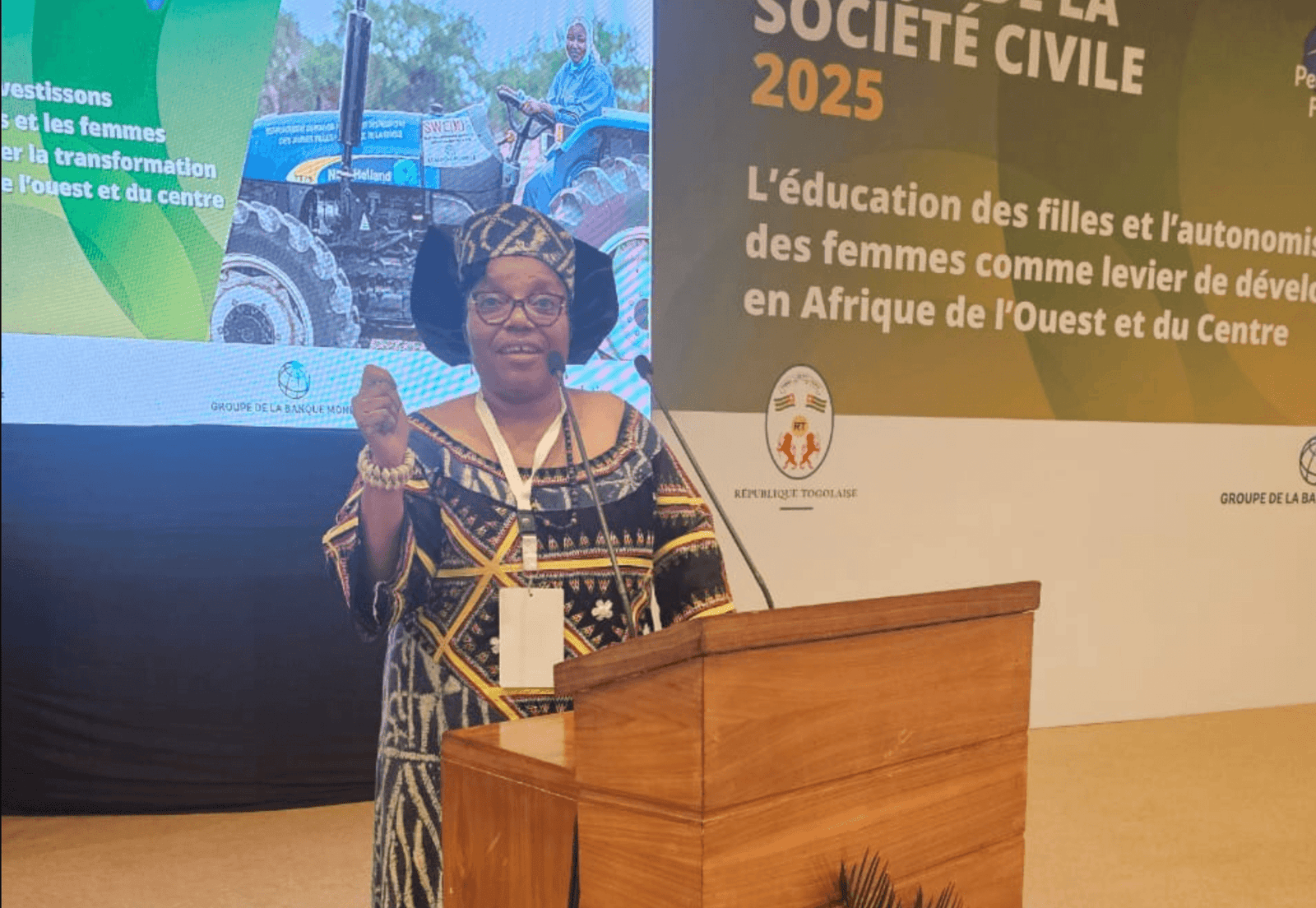
Beyond Victims: Women as Peacebuilders and Mediators — Lessons from Cameroon
When conflict is discussed, women are often introduced through the language of suffering: the displaced, widows, survivors, and mothers protecting children. The…
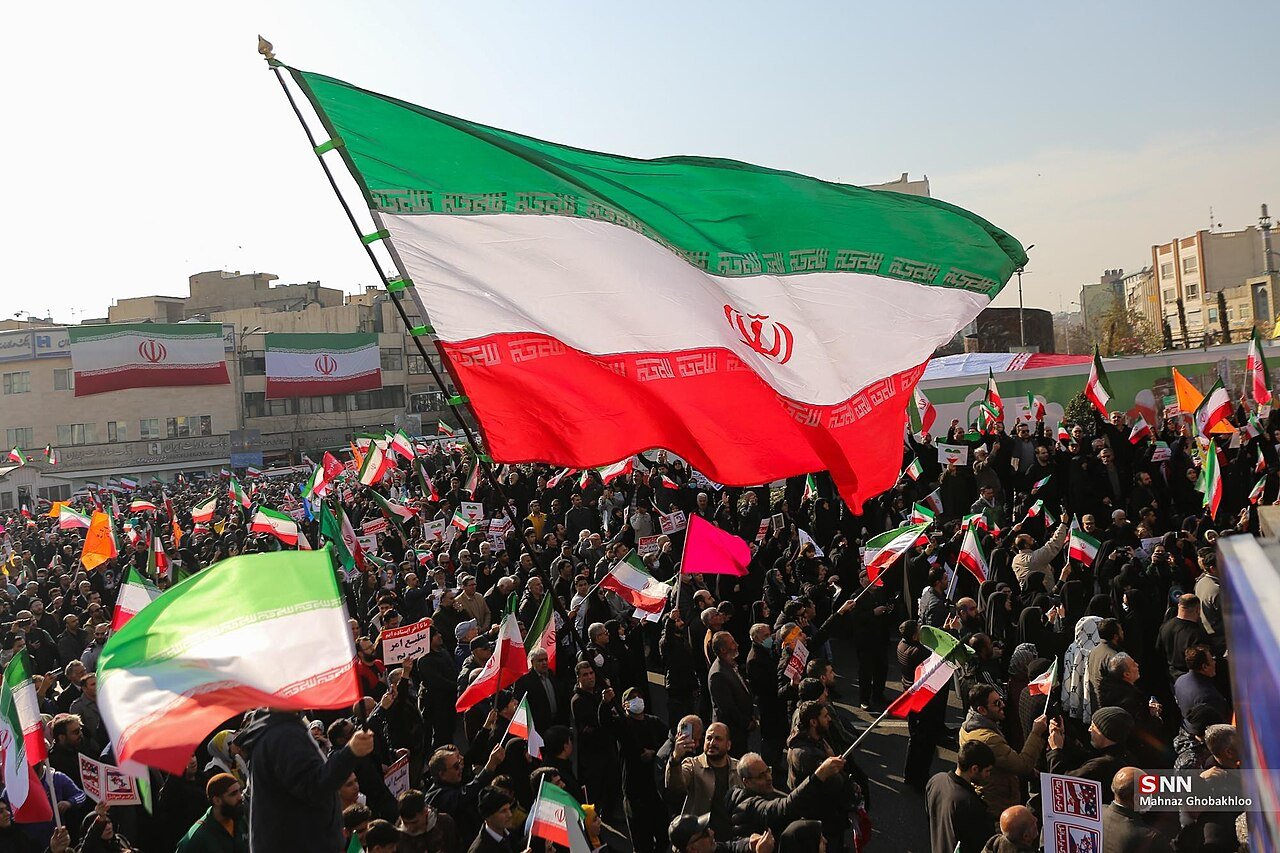
By not taking a historical view of how Iran operates in putting spheres of influence and preservation of its political order ahead of economic interests, the United States miscalculated on eventual outcomes of a war it started.
When conflict is discussed, women are often introduced through the language of suffering: the displaced, widows, survivors, and mothers protecting children. The…
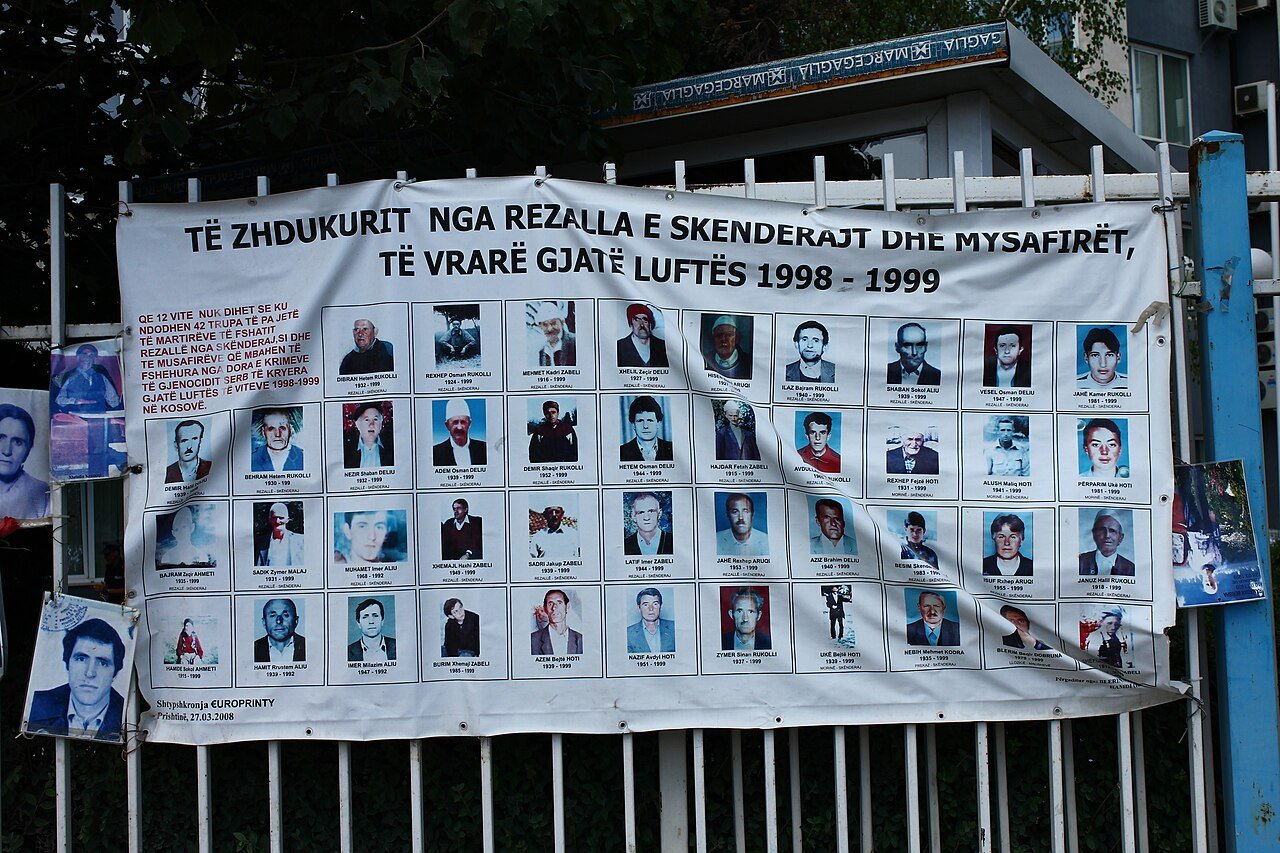
When Teodora, 22, asks her parents to tell her stories from when they were young, one scene keeps returning: her mother crossing the streets of Belgrade to meet…
Algeria’s growing influence is a timely topic for the international community, especially after the Aug 10 killing of Libyan Major-General Fawzi al-Mansour in a…
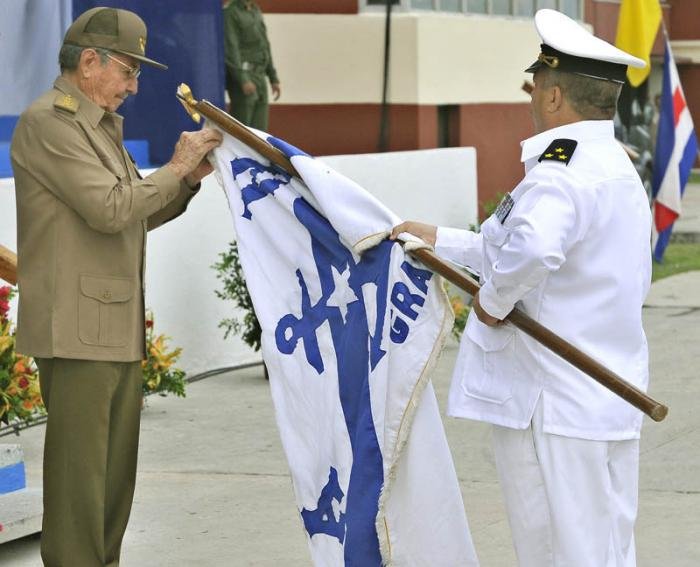
The United States and Cuba share a bitter history that spans nearly seven decades. The U.S. federal indictment of former Cuban President Raúl Castro in April on…
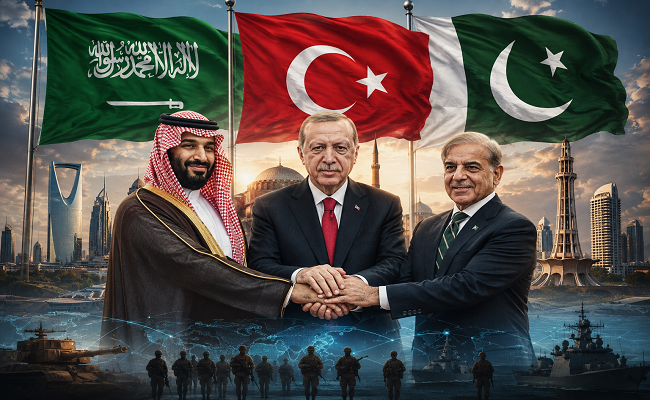
On Aug. 7, Saudi Arabia, Turkey, and Pakistan signed a joint defence agreement in Mecca, carrying a political and geopolitical message that goes far beyond the …
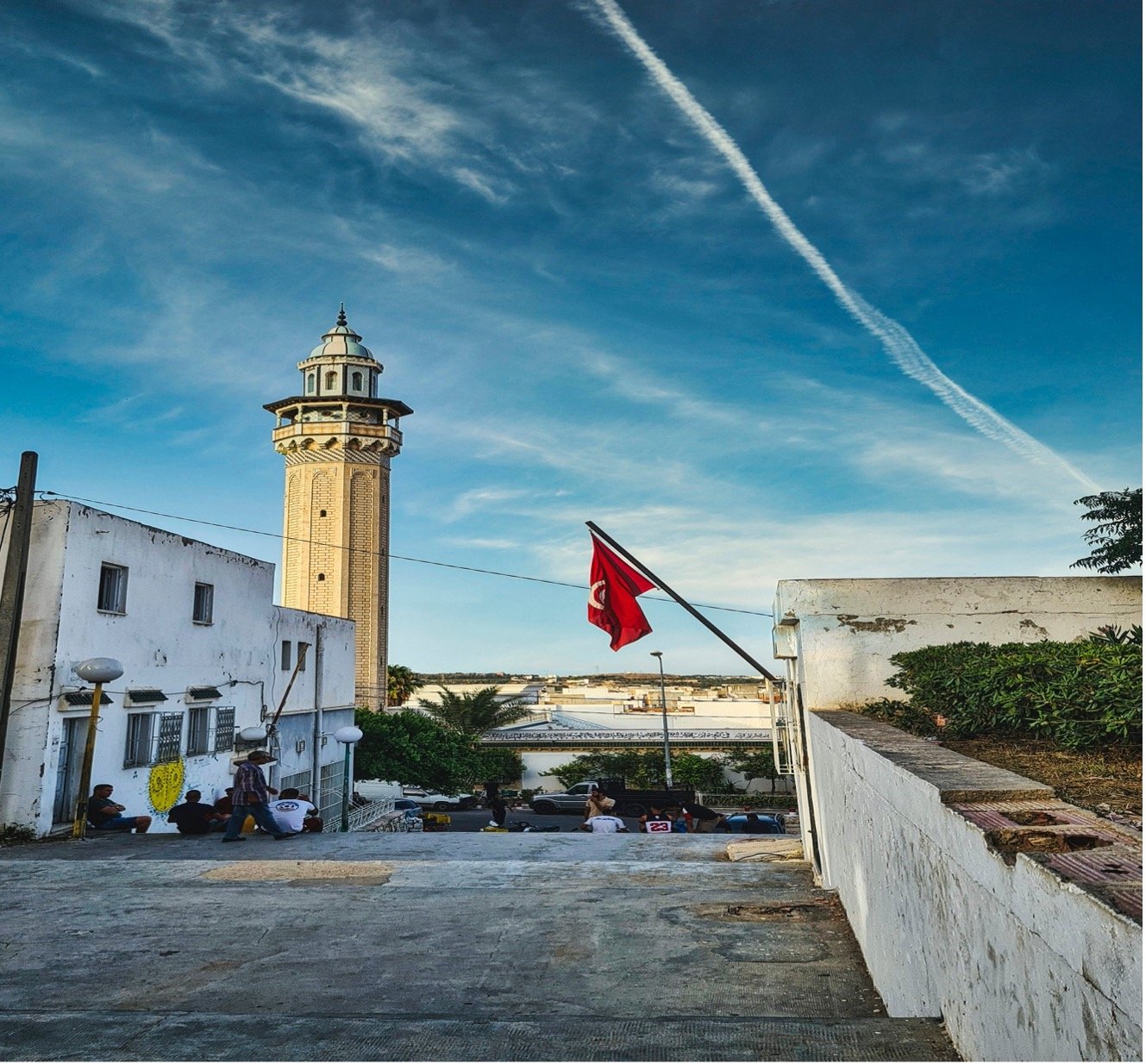
While some Tunisians nostalgically recall Ben Ali-era stability and stronger livelihoods, others see his rule as the repression that made the revolution necessa…
The United States has long been operating under the idea that if it puts a vice grip on Iran’s economy, its leaders will eventually become more reasonable. The reality is that Tehran puts economic interests behind hefz-e nezam, the preservation of the political order. That order includes maintaining control of proxy forces through Lebanon, Iraq, Syria, Yemen, and elsewhere. The Islamic Republic is more likely to change course when it can show its own people that any compromise with the United States is a tactical decision, not a public defeat.Omid Omidvar — What Trump Misreads About the Islamic Republic's Calculus
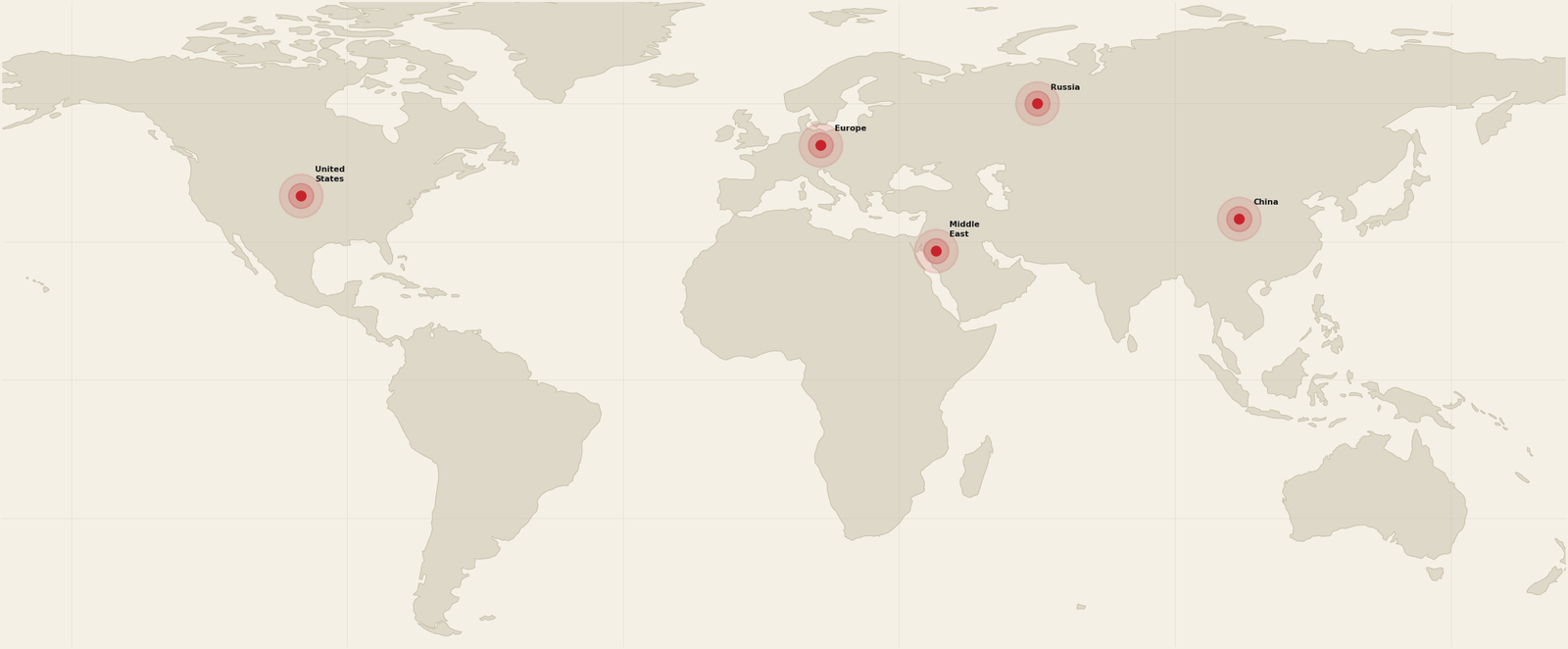
Atlas Broadcasting follows the conflicts that shape the global order — from the Sahel corridor to the Persian Gulf, from contested mountain frontiers to fragile peace negotiations.
Biweekly, our editors send a curated brief on the conflicts that shape the global order. No noise, no clickbait — just the stories you need to follow, with the context that makes them legible.